5 Signs Your Customer Is About to Churn
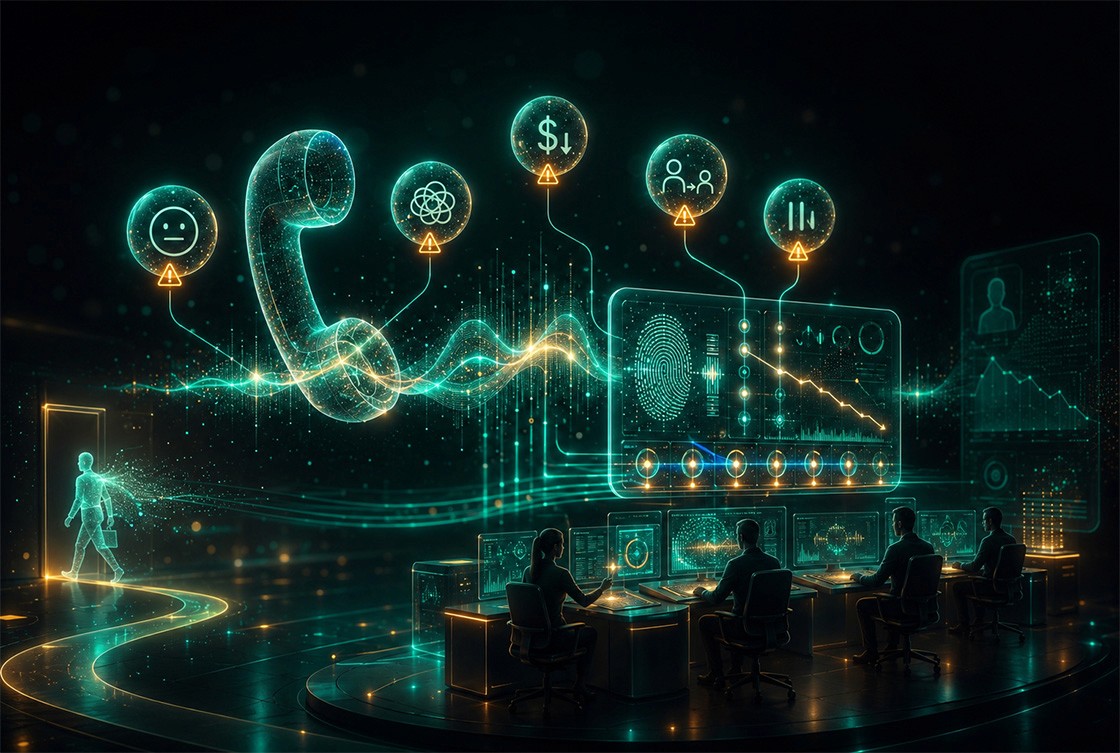
Most cancellations don’t come out of nowhere.
They just feel that way because you missed the warning signs.
Your customer didn’t wake up one day and decide to leave.
They told you, indirectly, on a support call or a check-in.
But nobody flagged it.
Here’s the good news: churn leaves fingerprints inside your call transcripts. Once you know what to look for, you can predict trouble and fix it before the cancellation email arrives.
What are churn signals in customer calls?
Churn signals are specific words, phrases, or behaviors that indicate a customer is likely to cancel or not renew. They rarely say “I’m leaving.” Instead, they hint.
These signals hide in call transcripts. And most teams scroll right past them.
5 churn signals hiding in your call transcripts
1. “It’s been fine.”
Fine is not fine. It’s the word customers use when they don’t want to complain but aren’t happy.
“How’s everything going?”
“It’s been fine.”
That’s ambivalence. And ambivalence precedes churn.
2. “We’re figuring things out.”
Translation: they’re not getting value yet. They’re struggling alone. If they figure it out, great. If not, they’ll leave and say “it just didn't work for us.”
3. “Is there a cheaper plan?”
Price questions are normal. But when they come with frustration like “We’re paying a lot for features we don’t use”, that’s a risk signal. They’re already doing the math on leaving.
4. “I need to talk to [someone else].”
When a customer repeatedly deflects to another person in their company, they may be distancing themselves. Especially if they stop responding to your follow-ups.
5. Silence on action items.
You ask: “Can you try that feature and let me know?”
They say: “Sure.”
Then nothing. No replies, no usage. That’s passive churn building.
How to catch these signals without listening to every call
You don’t need to manually scan 100s of transcripts. Instead:
Create a “red flag” word list – “fine,” “figuring out,” “cheaper,” “pause,” “reviewing vendors.”
Use conversation intelligence to automatically flag calls containing those phrases.
Alert your customer success team the same day — not weeks later.
One SaaS company caught a “fine” comment on a support call, reached out within 24 hours, and saved a $50k annual contract. That’s what churn prediction looks like.
Next step
Now that you know the signs, how do you actually use conversation intelligence to reduce churn? That’s exactly what we cover in this blog: How to Reduce Customer Churn with Conversation Intelligence.